How to practice active listening
2 min read
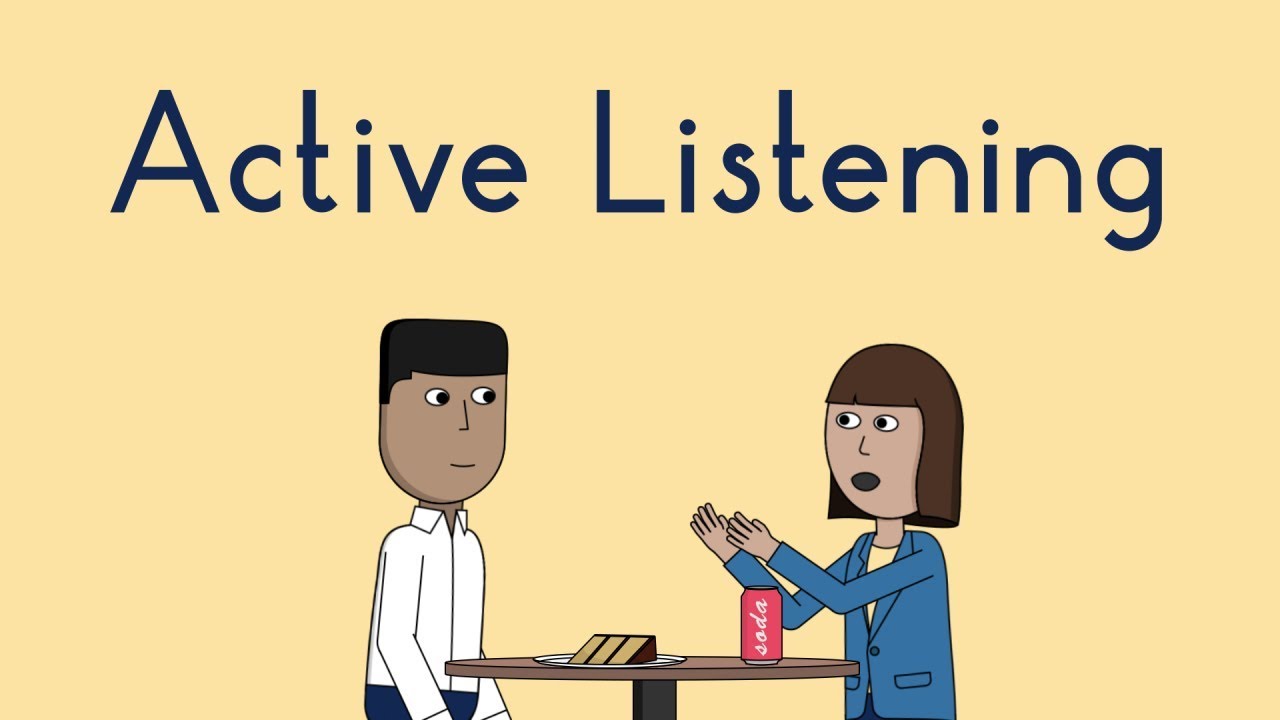
In the fast-paced world of professional communication, the most valuable skill isn’t always what you say—it’s how you listen. High-impact communication relies heavily on active listening, a practice that transforms a simple exchange of words into a meaningful connection.
Whether you are leading a team, managing a project, or navigating a complex negotiation, mastering active listening can be your greatest competitive advantage. Here is how you can practice it effectively.
4 Pillars of Active Listening
Active listening is more than just staying quiet while someone else speaks; it is an active demonstration of empathy and engagement. We can break it down into four key categories of behavior:
1. Supporting and Encouraging
The goal here is to create a "safe space" for the speaker. You want to signal that you are present and attentive without interrupting their flow.
Encouraging: Use brief verbal cues like "Yes, I see" or "Of course." Pair these with an open body stance and a genuine smile.
Validating: Acknowledge the speaker's perspective. Phrases like, "If I were in your situation, I’d feel the same way," go a long way in building rapport.
Imagining: Show you are processing the weight of their words by saying, "I can imagine it’s frustrating for you."
This stage ensures that no information is "lost in translation." It acts as a mirror to the speaker’s thoughts.
Summarizing: Bring the main points together. Example: "So would it be right to say there are three main issues we need to address?"
Describing: Label the emotions you are sensing. Example: "You seem upset by that," or "It sounds like you felt frustrated with the timeline."
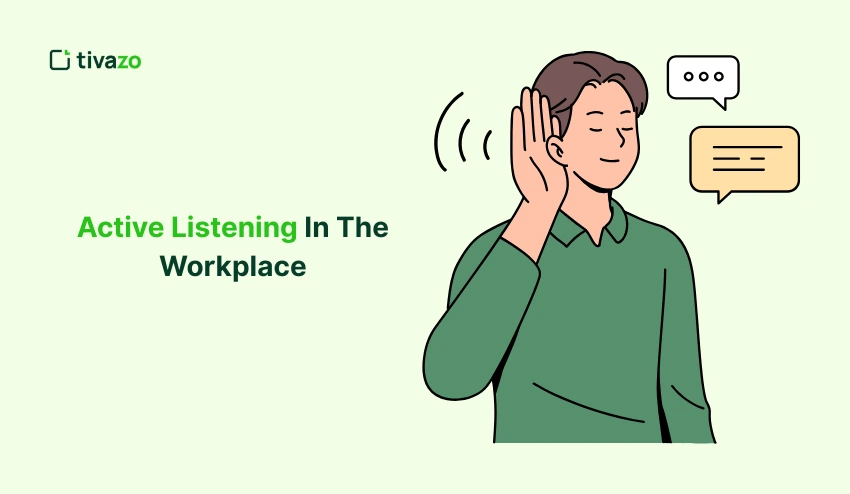
3. Digging Deeper
Active listeners are curious. Instead of making assumptions, they ask questions that help the speaker explore the topic further.
Clarifying: Get the facts straight. Example: "Which of those issues came first?"
Open Questions: Invite expansive answers. Example: "How are you feeling about the project overall?"
4. Offering Help
Once the speaker feels heard and understood, you can transition into a supportive role.
Personal Support: Simply ask, "Is there anything I can do to help?"
Hypothetical Solutions: Help them visualize success. Example: "What would you like to happen in an ideal world, and how can we make that a reality?"
| Scenario | Inactive Response | Active Listening Response |
| A colleague is stressed about a deadline. | "Don't worry, we'll get it done eventually." | "It sounds like you're feeling overwhelmed by the workload. What's the biggest blocker for you right now?" |
| A client is unhappy with a draft. | "I followed the instructions you gave me." | "I hear your concerns about the tone. If we were to start fresh, what would your ideal version look like?" |
Frequently Asked Questions (FAQs)
Q: What is the biggest barrier to active listening? A: Internal distraction. Often, we are so busy formulating our rebuttal or next point that we stop hearing what the other person is actually saying.
Q: Can active listening be used in digital communication (Slack/Email)? A: Absolutely. You can practice "Active Reading" by summarizing the sender’s points in your reply and asking clarifying questions before jumping to conclusions.
Q: Is active listening the same as agreeing with someone? A: Not at all. Active listening is about understanding the other person's perspective. You can completely disagree with someone while still validating their feelings and accurately summarizing their position.
Q: How do I know if I’m doing it right? A: A tell-tale sign of success is when the speaker relaxes their posture or says something like, "Exactly! You hit the nail on the head."
For more insights on high-impact communication, check out the


Comments
Post a Comment