Pakistan Find Their Perfect Start — But Too Late in T20 World Cup 2026
5 min read
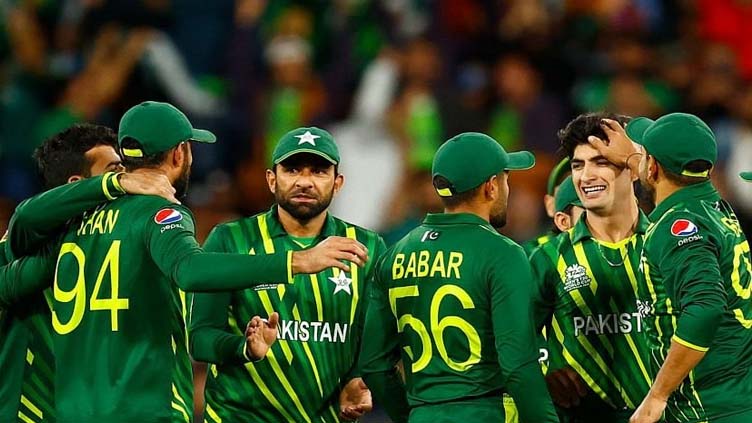
The air was thick with expectation and, frankly, a bit of desperation as Pakistan took the field against Sri Lanka in their final Super 8s clash. While their semifinal hopes had already dimmed considerably, there was still pride at stake, and the need to end a tumultuous tournament on a high note was palpable. Little did anyone know, however, that the spectators were about to witness history.
The Record-Breaking Foundation
Opening for the first time together in the tournament, the dynamic duo of Fakhar Zaman and Sahibzada Farhan took the attack to the Sri Lankan bowlers right from the start. They seemed possessed by a collective intent that had been missing for most of Pakistan's campaign. The boundaries flowed, the runs piled up, and before long, they had etched their names into the record books. Their monumental opening stand of 176 runs not only set a new benchmark for Pakistan but also became the highest-ever partnership in T20 World Cup history, a feat that will be talked about for years to come.
A Tale of Two Contrasting Innings
While Fakhar provided the explosive fireworks with a trademark aggressive knock that evoked memories of his 2017 Champions Trophy heroics, Sahibzada Farhan played a more anchored, yet equally impactful role. He was timing the ball beautifully and accumulating runs with deceptive ease. His century, coming off just 59 balls, made him the first player ever to score two centuries in a single T20 World Cup edition, a testament to his incredible form and consistency throughout the tournament. Together, they formed a formidable force, raising the 50-run mark in just 4.4 overs and bringing up the century partnership in a mere 9.5 overs, leaving the Sri Lankan bowlers searching for answers.
A Stark Contrast to Previous Struggles
To fully appreciate the magnitude of this achievement, one must view it in the context of Pakistan's batting struggles in the earlier stages of the tournament. Before this match, Pakistan's opening stands had only yielded a combined 113 runs in seven innings at a dismal average of 16.14. This lack of a solid platform had put immense pressure on the middle order, which consistently failed to deliver, often collapsing under scrutiny. Furthermore, Pakistan had the unenviable record of the highest dot-ball percentage (39.2%) among all Full Member teams, highlighting their inability to rotate the strike and build momentum.
The Impact of a Tactical Shift
It's tempting to wonder why this change in strategy hadn't been employed sooner. The decision to promote Fakhar Zaman to the top of the order, dropping the out-of-form Saim Ayub, proved to be a masterstroke. The aggressive intent from both openers was clear from the outset, with a staggering 78.8% of shots played being attacking, compared to just 65.6% in earlier matches. This fearless approach significantly reduced Pakistan's dot-ball percentage to 29.1%, putting pressure back on the bowlers and allowing them to take control of the innings. Even Head coach Mike Hesson couldn't hide his relief at the drinks break, visibly beaming as he watched his batsmen rewrite the history books.
The Unfortunate Sequel: The Collapse
However, as has often been the case with Pakistan cricket, the euphoric high was followed by a disappointing low. After Fakhar Zaman was dismissed, the middle-order fragility was exposed once again. From a position of absolute dominance, Pakistan collapsed from 176/0 to 212/7, managing only 36 runs in the final 25 balls of their innings. Seven wickets fell like a deck of cards, showcasing the continued need for stability in the middle order and a lack of finishing power that had haunted Pakistan throughout the tournament. Captain Salman Agha candidly admitted after the match that they had left 10-15 runs behind on the field, which eventually proved to be a costly error.
A Bittersweet Ending
Despite the thrilling start and the individual brilliance, Pakistan bowed out of the tournament at the Super 8s stage. The opening stand, while record-breaking and exhilarating, served as a poignant reminder of what could have been if only this kind of intent and flexibility in selection had been adopted earlier in the tournament. Pakistan had found their perfect start, but unfortunately, it was a classic case of "too little, too late."
Frequently Asked Questions (FAQs)
Q1. What was Pakistan's record partnership in the 2026 T20 World Cup?
Pakistan's opening partnership of 176 runs against Sri Lanka set a new record for the highest partnership in T20 World Cup history.
Q2. Who were Pakistan's openers against Sri Lanka?
Fakhar Zaman and Sahibzada Farhan opened the innings for Pakistan against Sri Lanka in their final Super 8s match.
Q3. Why did Pakistan struggle in earlier matches?
Pakistan's earlier struggles were primarily due to a lack of runs at the top of the order, a high dot-ball percentage, and a brittle middle order that consistently failed under pressure.
Q4. How did Fakhar Zaman and Sahibzada Farhan change the game?
By adopting an aggressive approach from the very beginning, Fakhar Zaman and Sahibzada Farhan significantly reduced Pakistan's dot-ball percentage, put pressure on the opposition bowlers, and provided a strong foundation for a large total.
Q5. Did Pakistan qualify for the semifinals?
No, Pakistan did not qualify for the semifinals of the T20 World Cup 2026. They were eliminated after the Super 8s stage, having fallen short of the points required to progress.


Comments
Post a Comment