The Black Dahlia Murder: Inside Elizabeth Short’s Gruesome Death and Why It Remains Unsolved

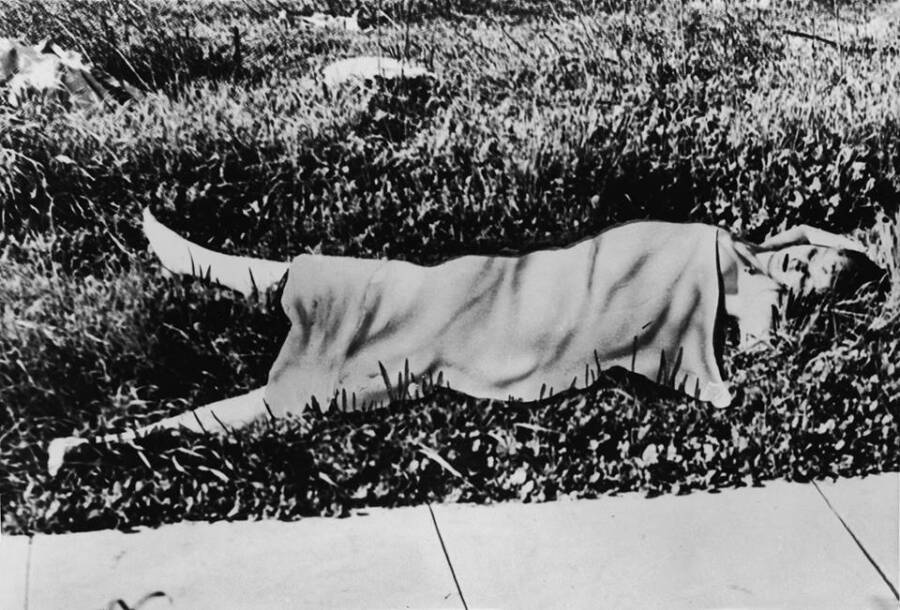
On the morning of January 15, 1947, Los Angeles mother Betty Bersinger was walking with her young daughter through Leimert Park when she noticed what she thought was a discarded mannequin on an empty lot. It wasn’t. The body belonged to Elizabeth Short, a 22-year-old aspiring actress from Massachusetts — and it was unlike anything investigators had ever seen.
The Black Dahlia murder would go on to become one of America’s most infamous unsolved crimes, merging Hollywood glamour, media hysteria, and pure horror into a mystery that still captivates the world nearly eight decades later.
The Crime Scene: A City Stunned by Horror
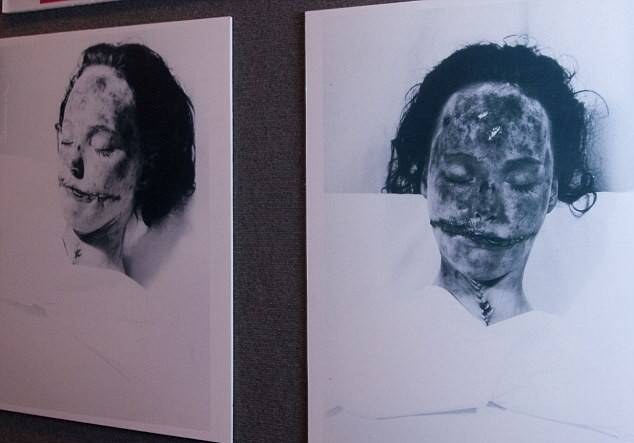
Elizabeth Short’s body was found severed cleanly in half at the waist, completely drained of blood, and posed deliberately — her arms raised above her head and her mouth slashed ear-to-ear in what’s known as a “Glasgow smile.” The surgical precision of the cuts suggested medical knowledge or access to surgical tools.
The vacant lot near 39th Street and Norton Avenue quickly filled with reporters, police, and curious onlookers. The press — eager for a sensational story — nicknamed her “The Black Dahlia,” reportedly inspired by Short’s dark hair, black clothing, and the then-popular noir film The Blue Dahlia.
Within hours, the murder became front-page news across America. It wasn’t just a crime — it was a symbol of the darker side of Hollywood’s dream machine.
The Investigation: Lies, Confessions, and Chaos
The LAPD launched one of its largest investigations in history. The FBI joined in, helping identify Short through her fingerprints, which were already on file from a previous job application. But the case quickly spiraled out of control.
Over 150 men and women confessed to the murder — everyone from drifters to soldiers to doctors. Each confession turned out to be false, but the flood of attention made it almost impossible for detectives to separate truth from noise.
Media coverage was relentless. Reporters dug into Short’s personal life, portraying her alternately as a troubled runaway, a party girl, and a Hollywood hopeful. Sensational headlines painted her as both victim and villain, creating a mythology that blurred fact and fiction.
Despite thousands of leads and hundreds of interviews, the Elizabeth Short murder case grew colder by the day.
Theories and Suspects: Decades of Speculation
Over the years, dozens of suspects have been named, but none ever charged. Among the most compelling theories are:
1. Dr. George Hodel
Former LAPD detective Steve Hodel has long claimed his father, Dr. George Hodel, was the killer. A wealthy physician with a dark reputation, Hodel was known for his interest in surrealism and bizarre parties. When police bugged his house in 1950, he was heard saying, “Supposin’ I did kill the Black Dahlia. They couldn’t prove it now.”
Steve Hodel’s evidence — including crime scene photos and location links — convinced many, but without physical proof, the case remains circumstantial.
2. Leslie Dillon and Mark Hansen
In Black Dahlia, Red Rose, author Piu Eatwell argued that a bellhop named Leslie Dillon, with ties to nightclub owner Mark Hansen, was responsible. Hansen knew Short personally, and Dillon allegedly described details of the murder only the killer would know. However, police at the time dismissed the theory, and no charges were ever filed.
Other suspects have included everyone from Hollywood surgeons to ex-boyfriends and serial predators, but none have been definitively linked to the crime.
Why It Remains Unsolved
The biggest obstacle to solving the Black Dahlia case was — and remains — evidence contamination. The crime scene was compromised by onlookers and reporters before police could properly secure it.
Additionally, police corruption and rivalries within the LAPD during the 1940s undermined cooperation. Key documents were lost or destroyed, and potential suspects with connections to Hollywood elites may have been protected.
Even with modern technology, investigators face an uphill battle. The biological evidence has long deteriorated, and any remaining leads are circumstantial at best. The case technically remains open — but unsolved.
Cultural Impact: The Black Dahlia as American Myth
The Black Dahlia has transcended crime — it’s become a cultural obsession. Her story has inspired countless films, books, songs, and TV shows, from James Ellroy’s The Black Dahlia novel to Brian De Palma’s 2006 film adaptation.
She’s appeared in American Horror Story, been referenced in L.A. Noire, and studied in criminology classrooms around the world. For true-crime fans, Elizabeth Short represents both Hollywood’s golden age and its darkest shadows — a tragic symbol of beauty, ambition, and exploitation.
Conclusion: A Mystery That Refuses to Die
Nearly 80 years later, the Black Dahlia murder still looms over Los Angeles like a ghost story. Her killer is almost certainly dead, but the mystery remains alive — sustained by speculation, obsession, and the human need to find meaning in the unthinkable.
Elizabeth Short’s story is no longer just about who killed her — it’s about how the world responded, what it revealed about fame, and how the line between truth and myth can blur beyond recognition.
Some mysteries stay unsolved not because the clues are missing — but because the answers say too much about us.
FAQs
-
Who was Elizabeth Short, the Black Dahlia?
Elizabeth Short was a 22-year-old aspiring actress whose gruesome 1947 murder became one of America’s most infamous unsolved crimes. -
Why is it called the Black Dahlia case?
The nickname came from Short’s dark fashion style and the popular noir film The Blue Dahlia, released the year before her death. -
What happened to Elizabeth Short?
Her body was found severed and posed in Los Angeles, in what remains one of the most brutal crimes in U.S. history. -
Who are the main suspects in the Black Dahlia murder?
Notable suspects include Dr. George Hodel, Leslie Dillon, and nightclub owner Mark Hansen — but none were ever charged. -
Why has the case never been solved?
Poor evidence handling, police corruption, and lack of modern forensic technology at the time have kept the case unsolved for nearly 80 years.
💀 The Black Dahlia case reminds us that truth, like Hollywood itself, is often stranger — and darker — than fiction.
- Get link
- X
- Other Apps


Comments
Post a Comment