Australian Shark Attack: Tourist Killed, Another Injured at Kylies Beach
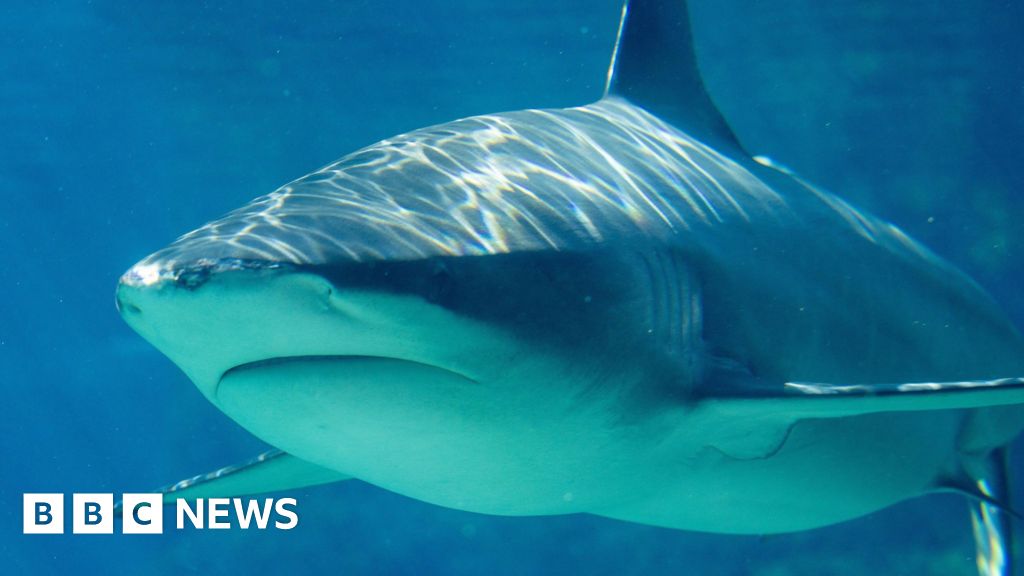
A holiday turned into horror on November 27, 2025 — when a shark attack at Kylies Beach, in Crowdy Bay National Park near Port Macquarie, Australia, left a Swiss woman dead and a Swiss man critically injured. The victims, in their 20s, were swimming early in the morning when the attack struck — a rare but devastating incident that has sent shockwaves through local communities and tourists alike. ABC
Details of the Incident
-
The attack occurred around 6:30 a.m. at Kylies Beach, a remote and unpatrolled stretch on the NSW mid-north coast. CBS News
-
The victims were identified as a Swiss couple in their early 20s, reportedly camping nearby and went into the water together on a morning swim. The New Daily
-
A bystander risked everything to help: he quickly applied a makeshift tourniquet to the man’s severely injured leg — a move credited with likely saving his life. The woman, unfortunately, died at the scene despite urgent medical efforts. CBS News+2
-
The man was airlifted to John Hunter Hospital in Newcastle with critical injuries but was described as “serious but stable.” People.com
The beach and surrounding shores have since been closed indefinitely. Authorities deployed “SMART drumlines” — baited traps that alert fisheries staff when a shark is caught — and drone surveillance has been activated to identify and track the suspect shark.
Shark Involved
Marine biologists and wildlife authorities investigating the incident believe a large bull shark was responsible. Bull sharks are known for their aggressive nature and unique ability to survive in both salt and freshwater — characteristics that make them particularly dangerous in coastal waters.
Bull shark attacks are comparatively rare, but when they occur, they tend to be severe due to the shark’s power, unpredictability, and proximity to shallow waters where people swim.
Statistics and Context
While shark attacks provoke fear, they remain extremely rare. According to the latest data from the International Shark Attack File (ISAF):
-
In 2024, there were 47 unprovoked shark attacks globally, with 9 occurring in Australian waters — but none resulted in fatalities.
-
To put that in perspective, even in a country with Australia’s vast coastline and heavy beach traffic, the odds of a fatal shark encounter remain exceedingly low compared to everyday risks like road accidents.
Researchers note that fluctuations in shark-human interactions are influenced by many factors — from environmental changes to human patterns of water use — but statistically, shark attacks remain rare.
Safety Measures and Response
In the wake of this tragedy, authorities moved quickly to minimize further risk:
-
Beaches around Crowdy Bay, including Kylies Beach, are now closed.
-
SMART drumlines have been deployed to capture, tag, and relocate potentially dangerous sharks.
-
Drones, acoustic trackers, and real-time alerts serve to monitor marine life around popular coastal regions. Phys.org
-
Public safety messaging for swimmers and surf-goers includes recommendations: avoid dawn or dusk swims, stay out of murky water, stay in groups, and heed local advisories.
These steps reflect a balanced marine-safety protocol: respecting beaches as natural habitats while prioritizing human safety.
Broader Perspective: Sharks vs Humans
It’s important to remember: sharks are far more at risk from humans than we are from them.
-
Decades of overfishing, bycatch, and habitat destruction have devastated shark populations worldwide. The Star
-
Globally, humans kill millions of sharks annually, whereas shark-induced fatalities remain extremely low — much less than 20 in any given year.
When tragedies like the Crowdy Bay attack occur, our instinct is fear. But sustainable coexistence depends on understanding marine ecosystems, protecting vulnerable species, and applying respectful behavior — not panic or blanket bans.
Conclusion
This tragedy in Australia is heartbreaking — a stark reminder of nature’s unpredictability and our vulnerability near the seas. Our deepest condolences go out to the victims’ families, and respect to the brave bystanders whose quick thinking likely saved a life.
At the same time, awareness and respect for marine life, combined with modern safety measures, remain essential. The ocean belongs to more than just humans — and living alongside its wild denizens demands caution, humility, and care.
FAQs
-
Where did the shark attack happen in Australia?
At Kylies Beach in Crowdy Bay National Park (New South Wales mid-north coast), early on November 27, 2025. ABC -
What type of shark was involved?
Authorities suspect a large bull shark, known for its aggression and tolerance for shallow water. -
How rare are shark attacks in Australia?
Very rare — in 2024 there were 9 unprovoked shark incidents recorded nationwide, but none were fatal. -
What safety measures are taken after shark attacks?
Beaches are often closed, SMART drumlines or nets deployed, drones and trackers used for surveillance, and public advisories issued for swimmers. The Guardian -
Are sharks more at risk from humans than humans from sharks?
Yes. Human activities kill millions of sharks every year, while shark attacks on people remain extremely infrequent and statistically rare. The Star


Comments
Post a Comment